
 NL
NL EN
ENButchery & meat processing
Filipino butchers and skilled meat-processing professionals
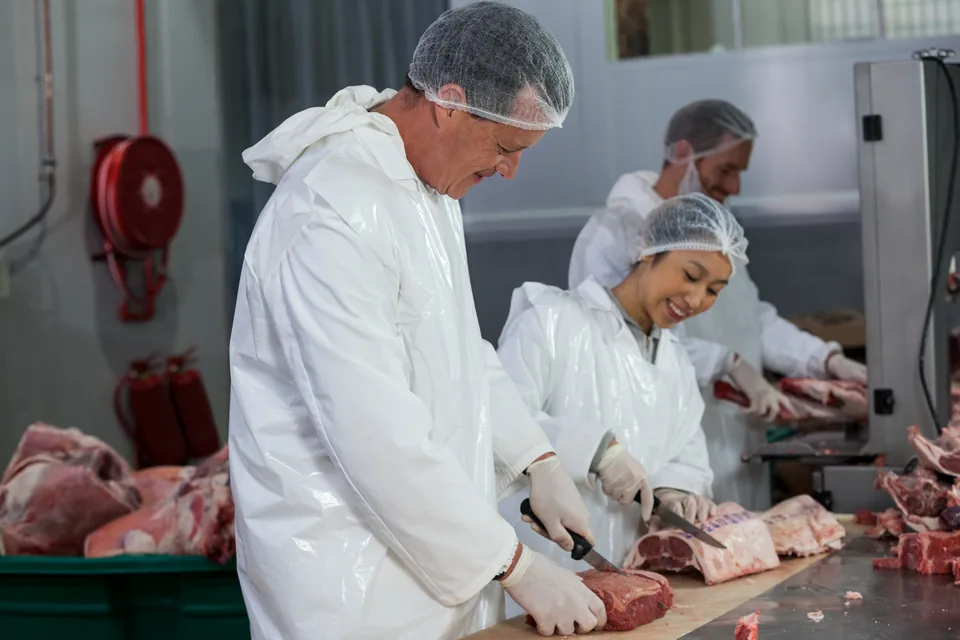
SkillShift focuses on skilled meat processing, not generic low-skilled production roles. The Philippines has vocational training focused on slaughtering operations, meat fabrication and food production, and international recruitment experience already exists within these occupations.
We assess per candidate the actual skill level: animal/product type, deboning and cutting skill, speed, yield, and experience with industrial and cold working environments.
Why the Philippines for this sector?
Vocational training in slaughtering and meat processing
Vocational training exists in the Philippines focused on slaughtering operations, meat fabrication and food production.
Experience in industrial food production
Candidates may have experience in industrial meat-processing and production environments.
International recruitment experience within the trade
International recruitment experience already exists within these occupations, providing a basis for targeted sourcing.
Practice-oriented craft skills
Training emphasises practical knife skills, hygiene and efficiency in production environments.

Role profiles
- Butchers
- Deboners
- Meat cutters
- Trimmers
- Slaughterhouse butchers
- Meat-fabrication professionals
- Skilled meat-processing workers
What we assess
- Animal/product type
- Deboning
- Cutting
- Trimming
- Knife skills
- Speed
- Yield
- Hygiene
- Food-safety experience
- Industrial work environment
- Cold work environment
- Slaughter versus fabrication
- Years of experience
Practical skills assessment
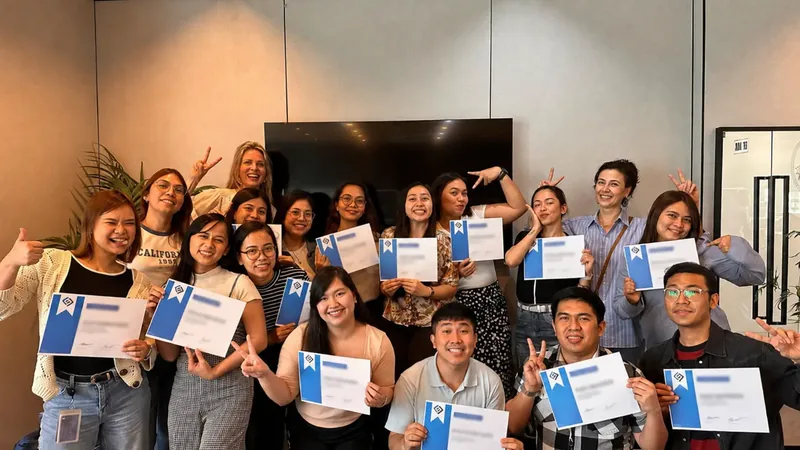
A practical, employer-specific skills test can be useful to confirm a candidate's actual level before a proposal is made.
How SkillShift supports
- Feasibility assessment
- Recruitment and sourcing
- Screening and practical assessment where useful
- Interviews
- Documentation
- Permits
- DMW documentation and pre-departure requirements
- Relocation
- Housing & relocation
- Onboarding
- Aftercare
Which parts SkillShift carries out depends on the agreed scope of service.

Housing
For larger groups of skilled tradespeople, housing is best planned in parallel with recruitment and permits. We consider group size, work location, commuting distance and suitable types of accommodation.
For staffing and secondment placements through SkillShift, housing is arranged as standard. For direct hires, this is an additional service.
Netherlands and Belgium
Working in the Netherlands or Belgium
The available route depends on the country, the role and the applicable permit framework. SkillShift assesses each vacancy individually.
Netherlands
The applicable permit route and labour-market conditions are assessed per vacancy; a GVVA route does not automatically apply to every meat-processing role.
Belgium
Whether a role fits an applicable migration category is assessed per vacancy; this is not assumed in advance.
Frequently asked questions
Does every meat-processing role qualify for a Dutch or Belgian work permit?
No. The applicable permit route and labour-market conditions are assessed per vacancy.
How is craft skill assessed?
A practical, employer-specific skills test can be used to confirm the actual level.
Does SkillShift also recruit for slaughtering work?
Yes, depending on the vacancy; slaughtering and fabrication work are assessed separately for experience and skill.
We are a staffing or secondment provider. Can SkillShift support us too?
Yes, in most cases we can. A staffing or secondment structure is usually more complex than direct employment because the employment relationship, client agreements, immigration route and Philippine DMW documentation and pre-departure requirements must fit together correctly. SkillShift assesses the proposed structure in advance and can help set up and coordinate the process where it is legally and practically feasible.
Discuss a vacancy
Looking for this type of professional?
SkillShift assesses the vacancy, sector-specific requirements and the applicable route before recruitment starts.