
 NL
 EN
You have found a suitable Filipino skilled worker, the IND has granted the residence permit and the employee can come to the Netherlands. Even so, the departure can fall through at the airport in Manila. The reason is that the Philippine government sets its own requirements for citizens who are going to work abroad. Those requirements are separate from the Dutch or Belgian permit.
This article explains what DMW is, why the Philippine procedure is necessary and how, as an employer, you can align it properly with the permit application.
What is DMW?
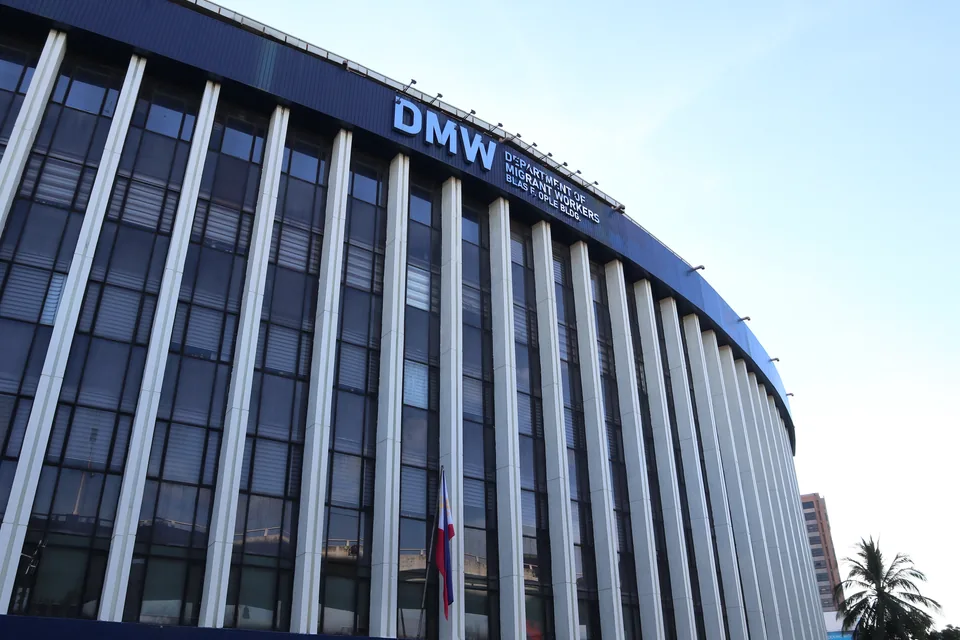
The Department of Migrant Workers (DMW) is the Philippine ministry responsible for Filipinos working abroad, known as Overseas Filipino Workers (OFWs). DMW was established in 2022 and took over duties from the Philippine Overseas Employment Administration (POEA), among others. You will therefore often still see the name POEA in older information.
For you as an employer, DMW has three roles:
- Supervising recruitment. DMW licenses Philippine recruitment organisations and registers foreign parties that recruit through them.
- Assessing the employer and the contract. Before a Filipino worker may start with a foreign employer, the employer and the employment contract are assessed. This is called employer accreditation and contract verification.
- Permission to leave. Only when the file is complete does the employee receive the documents needed to leave the country as an OFW.
Outside the Philippines, DMW has offices in countries with many Filipino workers, the Migrant Workers Offices (MWOs). An MWO can verify the employer’s documents before the file proceeds in Manila.
Why the Dutch permit is not enough
The Dutch residence and work permit determines whether the employee may live and work in the Netherlands. That is a decision by the IND, sometimes with advice from UWV. The Philippine procedure governs something else: whether the employee may leave the Philippines to work abroad, and under what conditions.
The two procedures therefore answer different questions, at different authorities. A positive IND decision does not replace the Philippine permission. On departure, Philippine border control checks whether an employee with an employment contract abroad holds the required departure documents. If they are missing, the employee can be stopped.
The same applies to Belgium. The combined permit governs residence and work in Belgium, not departure from the Philippines.
What steps does the Philippine procedure involve?
The exact order differs per route, but a process generally includes these elements:
- Recruitment through a recognised route. Recruitment runs through a Philippine recruitment organisation licensed by DMW, or through a foreign party that works with such an organisation.
- Employer accreditation. The employer supplies company details, a job description and a signed agreement with the recruitment organisation.
- Contract verification. The employment contract must meet Philippine minimum requirements, for example on travel, insurance and the way the contract can end.
- Medical examination and preparation. The employee undergoes a medical examination at an accredited clinic and attends a pre-departure course.
- Departure documents. Once the file is complete, the employee receives the documents needed to leave as an OFW.
What does this mean for you as an employer?
You will notice the Philippine procedure mainly in the documents you supply and in the planning. Three points matter in practice.
Plan the procedures side by side. If you complete the Dutch permit first and only then start with DMW, you lose time. Employer accreditation can often already run while the application is being processed by the IND or the Belgian authorities. How long each step takes differs per file.
Make sure the documents match. The job title, pay and terms of employment must be the same in the Dutch application and in the Philippine file. Differences lead to questions and delays.
Choose a party that controls the Philippine side itself. An agency that only operates in the Netherlands has to outsource the Philippine procedure. Ask therefore under which registration or licence the procedure runs and who the contact person in the Philippines is.
Three misconceptions about DMW
“The employee arranges the Philippine side.” The employee completes some of the steps personally, such as the medical examination and the pre-departure course. Employer accreditation and contract verification, however, require documents and signatures from you as the employer. Without your cooperation, the file cannot be completed.
“The employee can come ahead on a tourist visa.” An employee who leaves for a different purpose and then starts working abroad bypasses the Philippine procedure. That creates risks for the employee, who then falls outside the protection the Philippine government offers OFWs, and for you as an employer. The Dutch or Belgian permit also assumes a correct entry.
“DMW is just a formality at the end.” If you schedule DMW only at the end of the process, you risk an employee with a valid residence permit having to wait to leave. Treat the Philippine procedure from the start as a full part of the planning.
Have you already found the candidate yourself?
This happens regularly, for example through your own network or a colleague. The Philippine procedure must still be completed. Direct recruitment by a foreign employer, without the involvement of a licensed organisation, is subject to strict conditions in the Philippines. In most cases, departure therefore still runs through a recognised route.
SkillShift can step in at that point without a new recruitment assignment. Read more on our page about DMW and Philippine deployment.
How SkillShift handles the DMW procedure
SkillShift is itself registered with DMW as a Foreign Recruitment Agency and works with a Philippine recruitment organisation licensed by DMW. On that basis we handle recruitment, employer accreditation and departure, aligned with the permit in the Netherlands or Belgium. Our team in Manila supports the employee with the medical examination and preparation.
Would you like to know which permit fits your vacancy? See our page about work permits for Filipino employees or request a feasibility check.